After enjoying your breakfast at our hotel, your tour guide will pick you up from our hotel to visit one of the most amazing wonders of the world, starting with:
The Giza Pyramids Complex
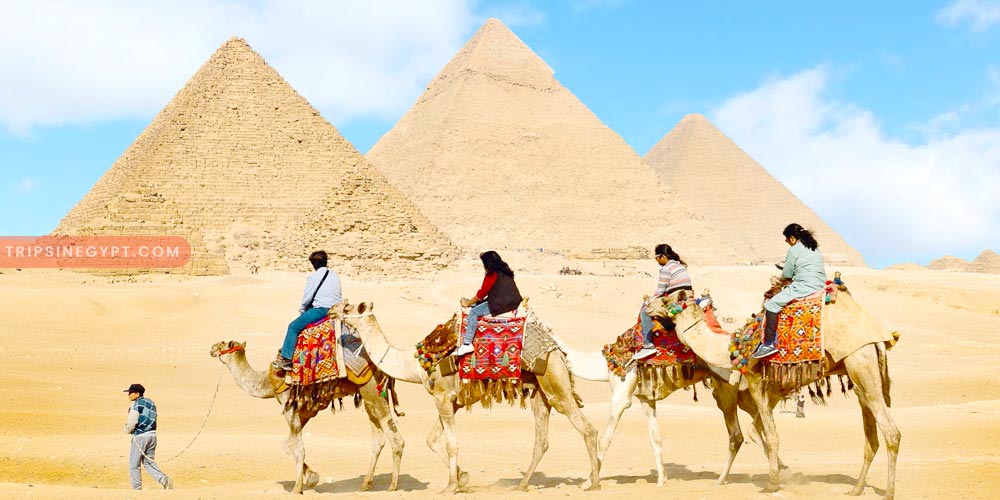
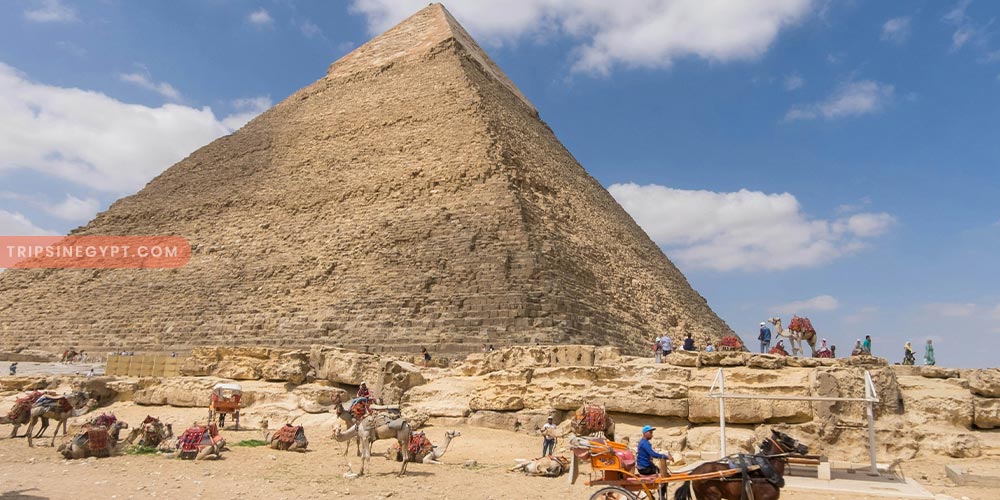
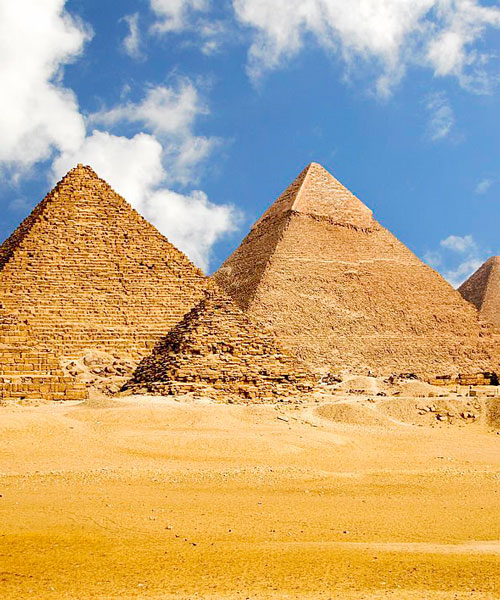
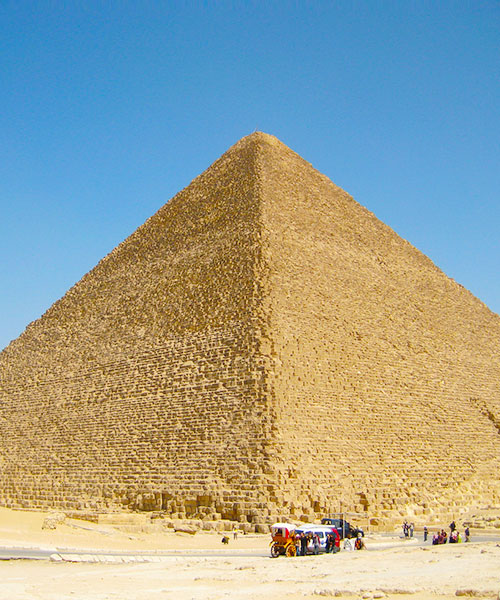
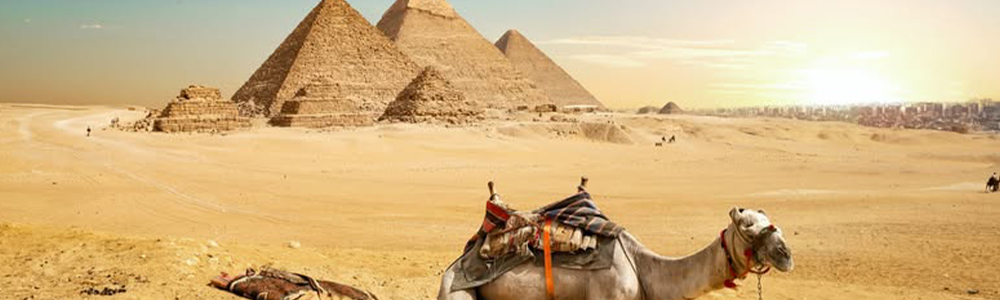
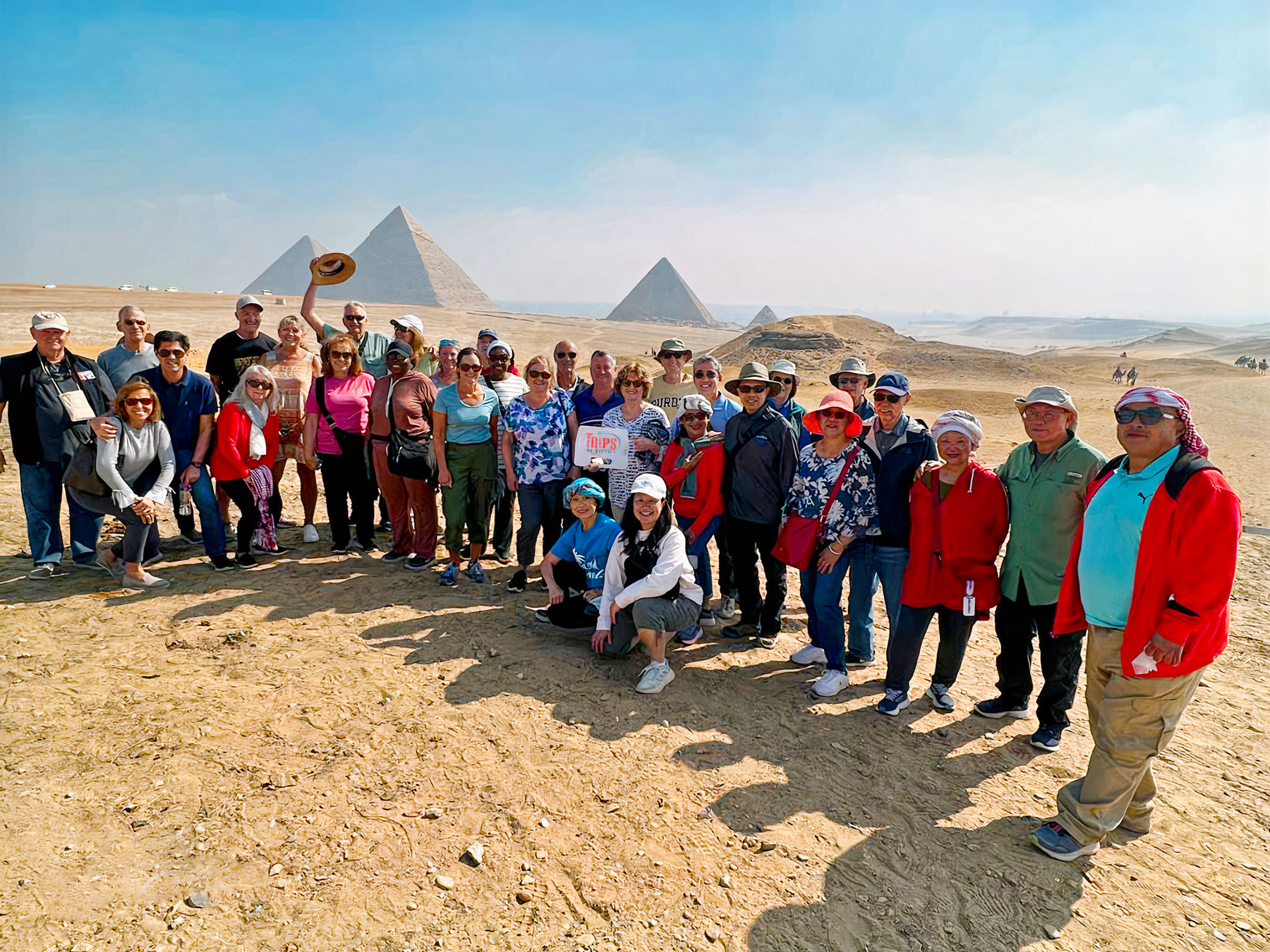
The Giza Pyramids Complex is a wonderful ancient site that has the eternal treasures of the pharaohs who ruled Egypt more than four millennia ago. The complex of Giza demonstrates the ambition of the kings of the fourth dynasty, who built these giant structures. The complex of Giza consists of three main pyramids that were dedicated to Khufu, Khafre, and Menkaure. The largest of the three is the Great Pyramid of Khufu, which is also one of the Seven Wonders of the World. The complex also consists of the Great Sphinx, which is a colossal statue of a lion with a human head, as well as several temples and a workers' village.
The Great Pyramid of Khufu
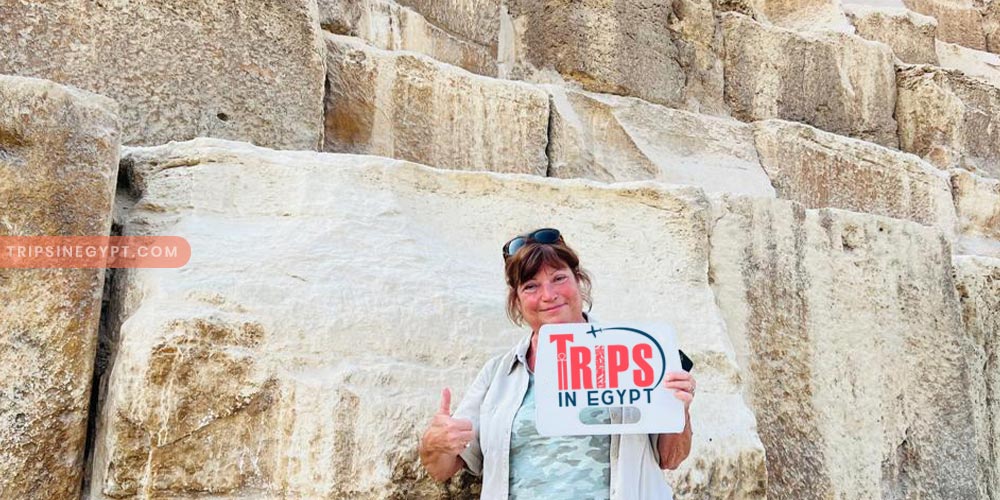
The Great Pyramid of Giza was built by the ancient Egyptian king Khufu (Cheops) around 2560 BC and is one of the most amazing monuments in the world. The Great Pyramid of Giza is 137 meters tall after losing some of its original height of 147 meters due to erosion. it was the tallest structure ever built by humans until the 13th century CE, before the existence of the Eiffel Tower. The construction of the pyramid involved over 2.3 million blocks of stone, and each stone weighing an average of 2.5 tons by using mathematical skills.
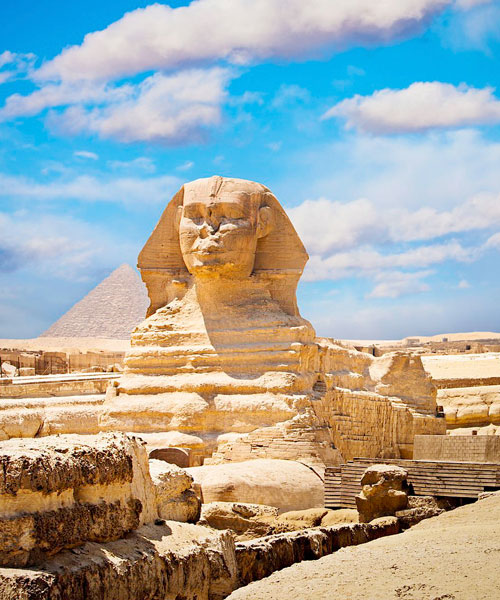
The Great Sphinx
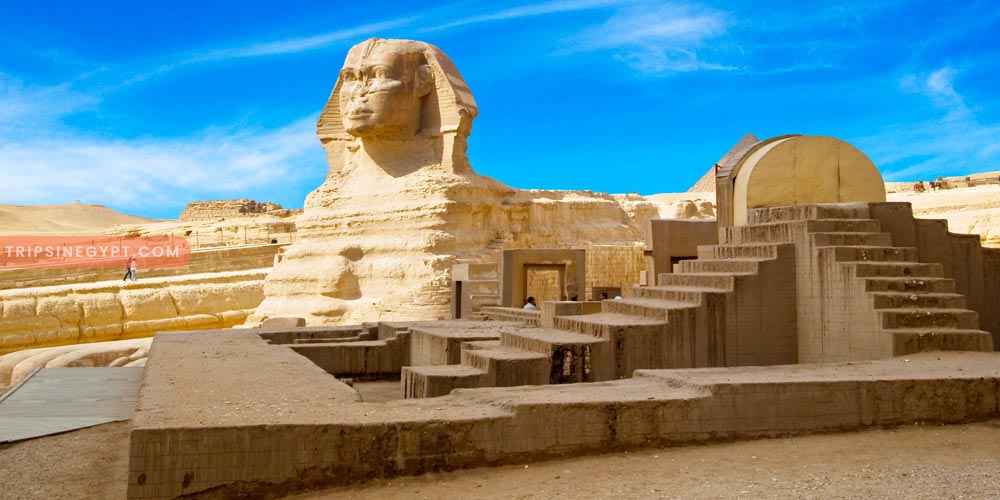
The Great Sphinx of Giza is a colossal statue that combines the head of a human and the body of a lion. The ancient Greeks named it after their mythical creature with wings because they saw some resemblance. The statue was sculpted from the limestone of the plateau where the pyramids and other monuments were also built. The Sphinx was probably made during the rule of King Khafre (2575– c. 2465 BC) who also constructed the Second Pyramid at Giza. The Sphinx looks from west to east and has a length of 73 meters and a height of 20 meters.
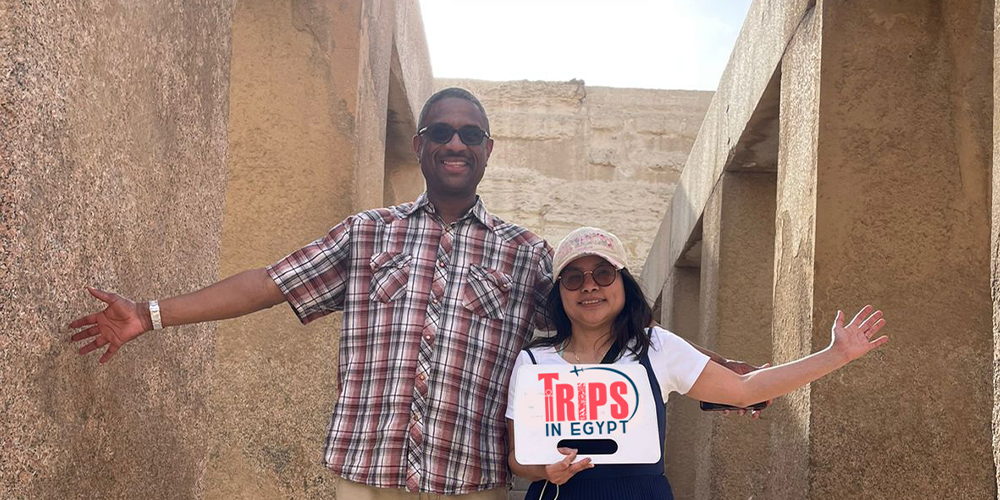
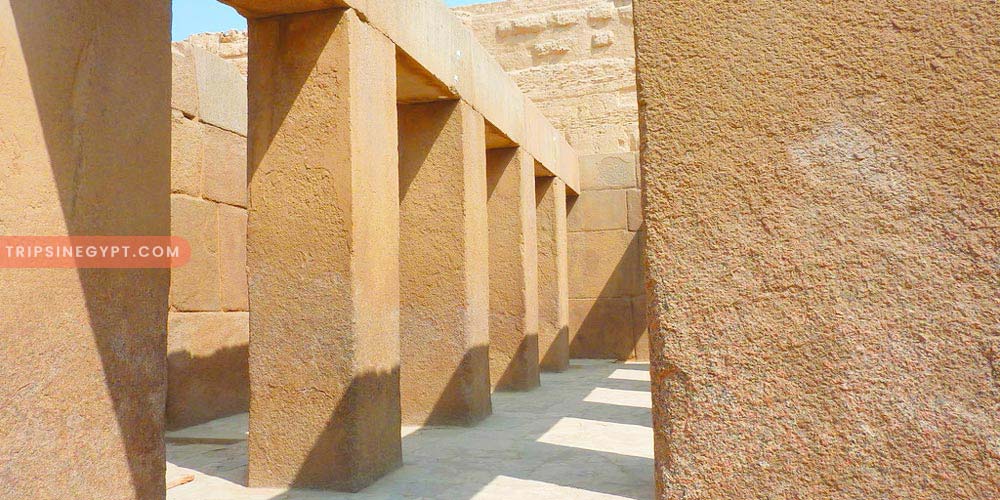
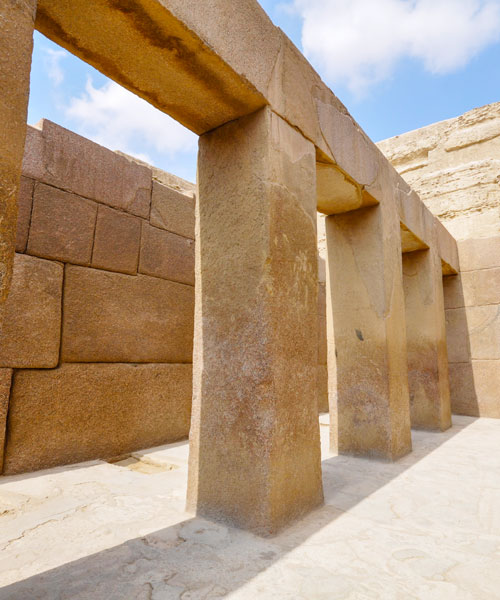
The Mortuary Valley Temple
The Mortuary Temple of Khafre was the first of its kind (built in the mid-to-late twenty-sixth century BC) to include the five elements that would later become typical for such temples as an entrance hall, five temples for the king's statues, a wide court with columns, five storerooms, and an innermost sanctuary with a pair of stelae or a false door or both. The pyramid of King Khafre, which is the second largest and second tallest of the Giza pyramids, was connected to the mortuary temple by a causeway.
Lunch Meal
After ending your tour in the Giza Plateau, you will have your lunch at a pyramid / Nile view restaurant before heading to visit:
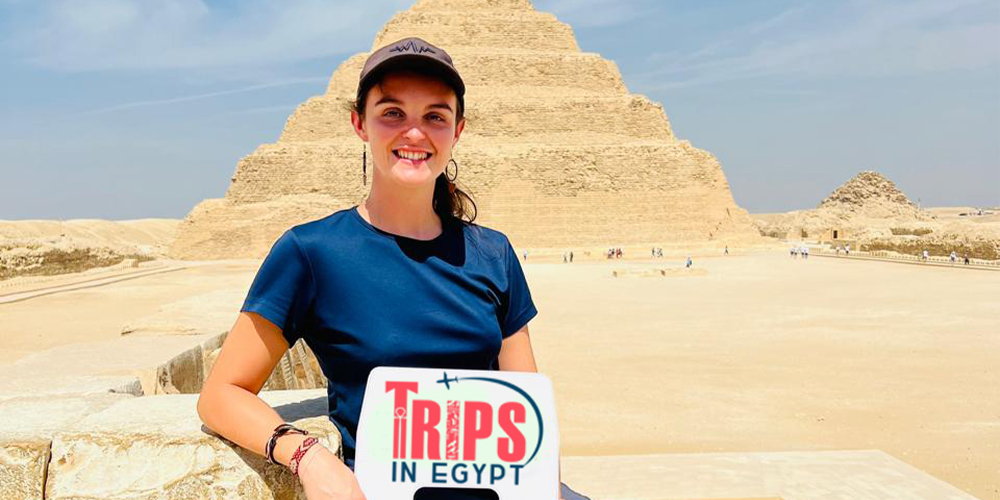
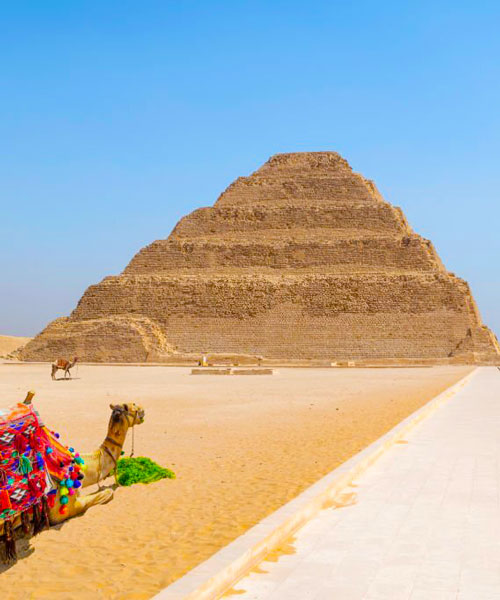
Saqqara Step Pyramid
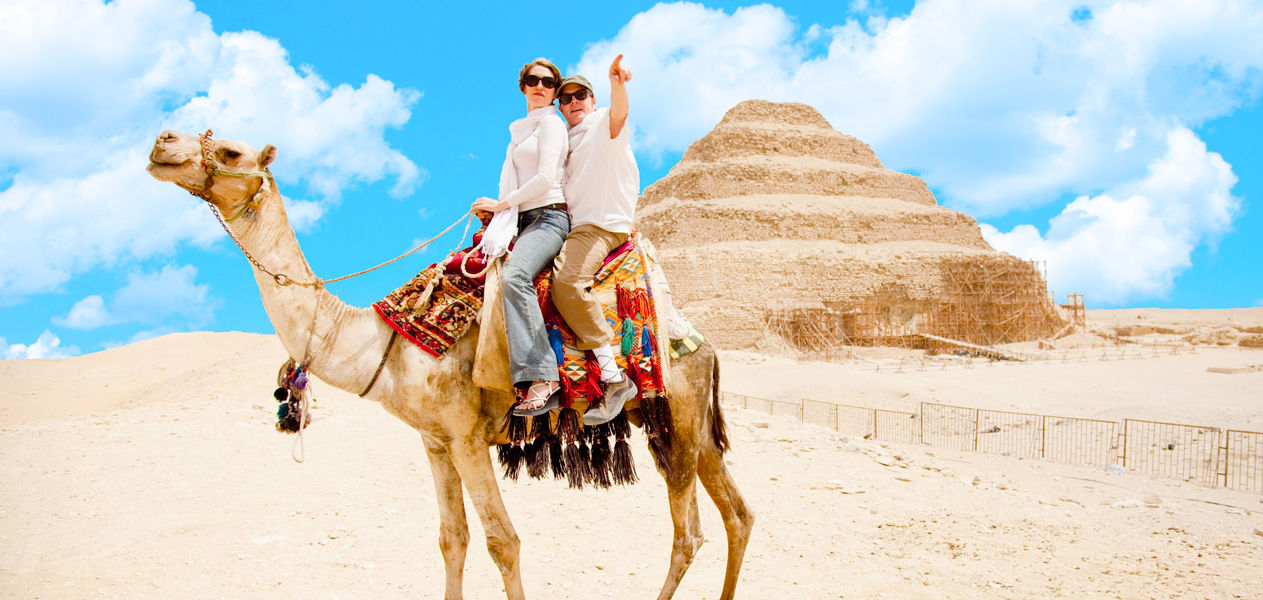
Saqqara Pyramid was a burial place for Pharaoh “Djoser”, it was constructed in ancient Egypt during the Third Dynasty in 2700 BC. Saqqara Step Pyramid is the earliest pyramid that was built in Egypt and a precursor to the more refined pyramids with smooth sides such as those at Giza and Dahshur. The Step Pyramid consists of six mastabas, it was designed by “Imhotep” who was the royal architect of Djoser and is considered the first known genius in history.
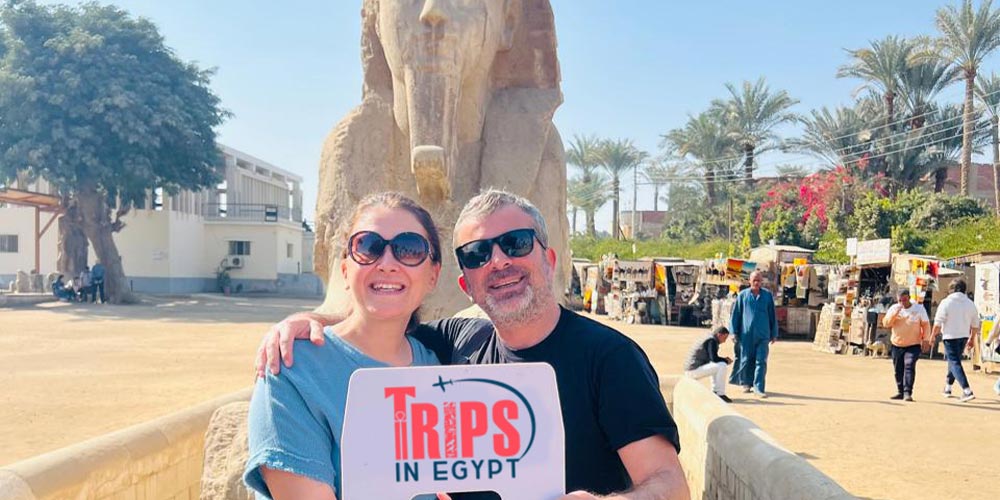
Memphis City
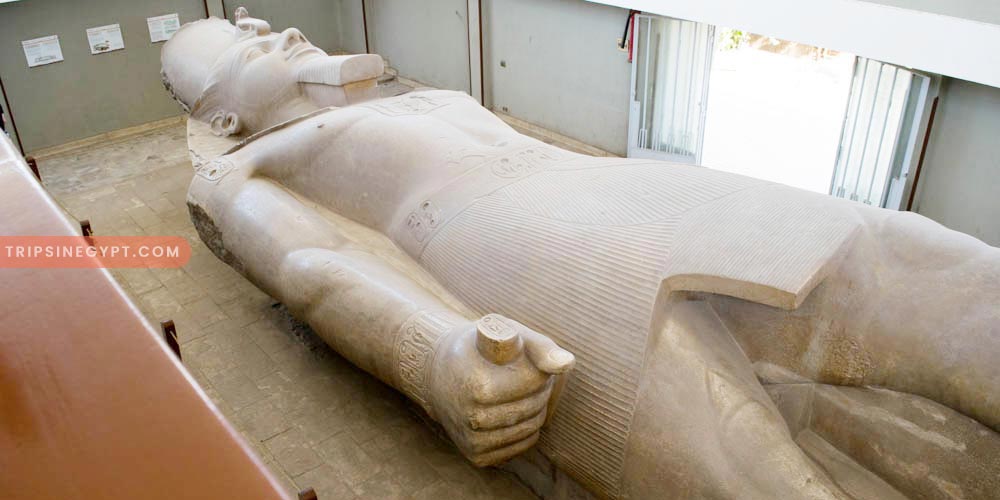
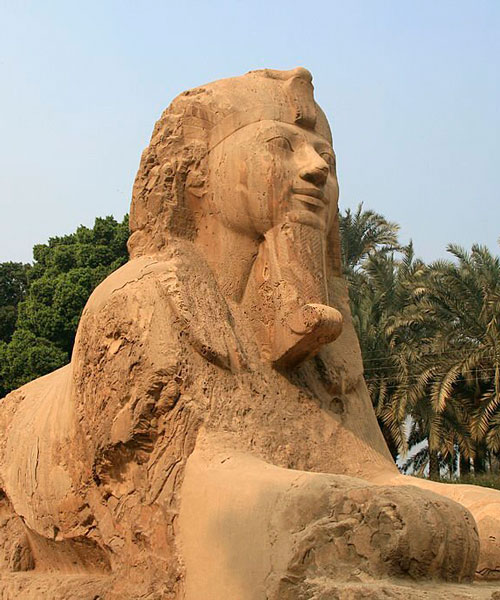
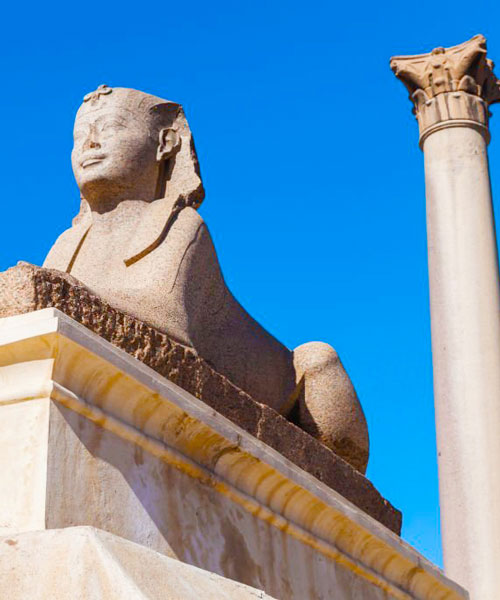
Memphis City was the royal city before the unification of Upper and Lower Egypt by King Menes around 3100 BC. Menes established the first dynasty of the thirty that would govern the ancient Egyptian civilization for over 2500 years. The patron god of the capital city was “Ptah” the creator and protector of craftsmen, and the temple of “Hut-ka-Ptah” was one of the most amazing structures in the city. Memphis also has the statue of King Ramses II, an alabaster sphinx monolith, and other monuments which are two of the highlights of this open-air museum.
Overnight
After enjoying your day, you will be transferred to your hotel and overnight.