Day One: Explore the Marvels of East Bank
You will be picked up from your hotel to join your tour guide on an epic visit to the milestones of Luxor's east bank, which are:
Karnak Temple
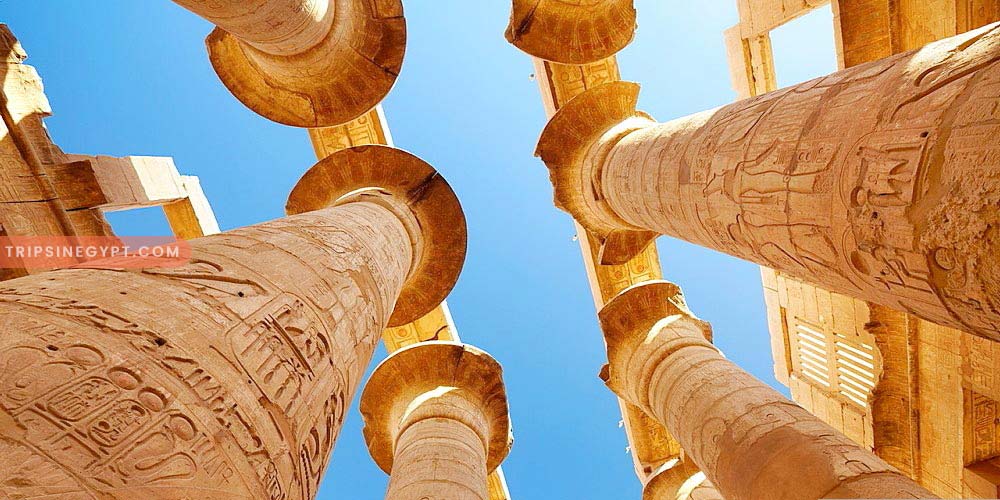
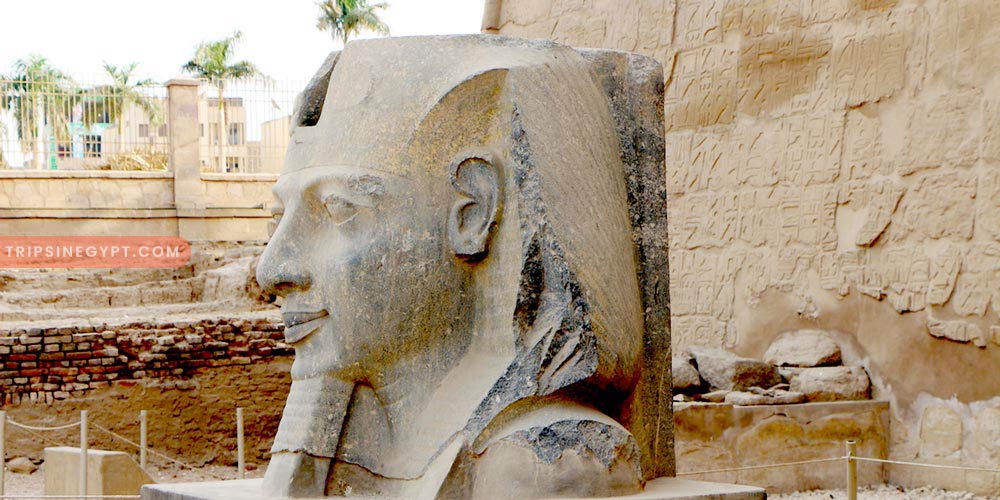
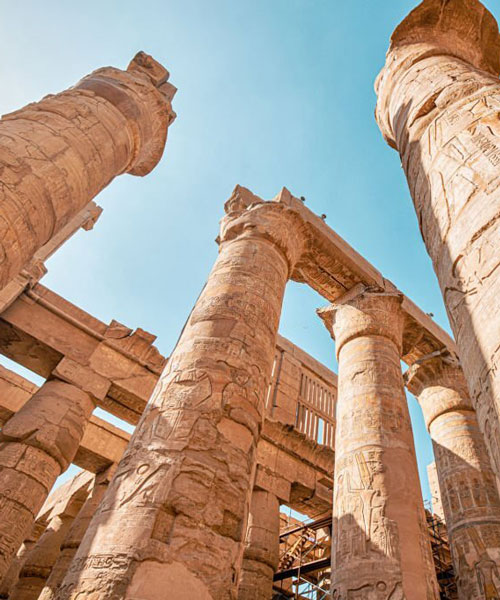
Karnak Temple Complex is an ethereal wonder that took over 2000 years to create, from the Middle Kingdom (2000–1700 BCE) to the Ptolemaic Kingdom (305–30 BCE), and that stands as the greatest hub of ancient Egyptian religious life. This divine site has been revered through the ages for its magical structures, which include the magnificent Great Hypostyle Hall, various precincts dedicated to Amun-Re and Mut, the avenue of the sphinxes, and more, thus making it the largest open-air museum of its kind.
Lunch Meal
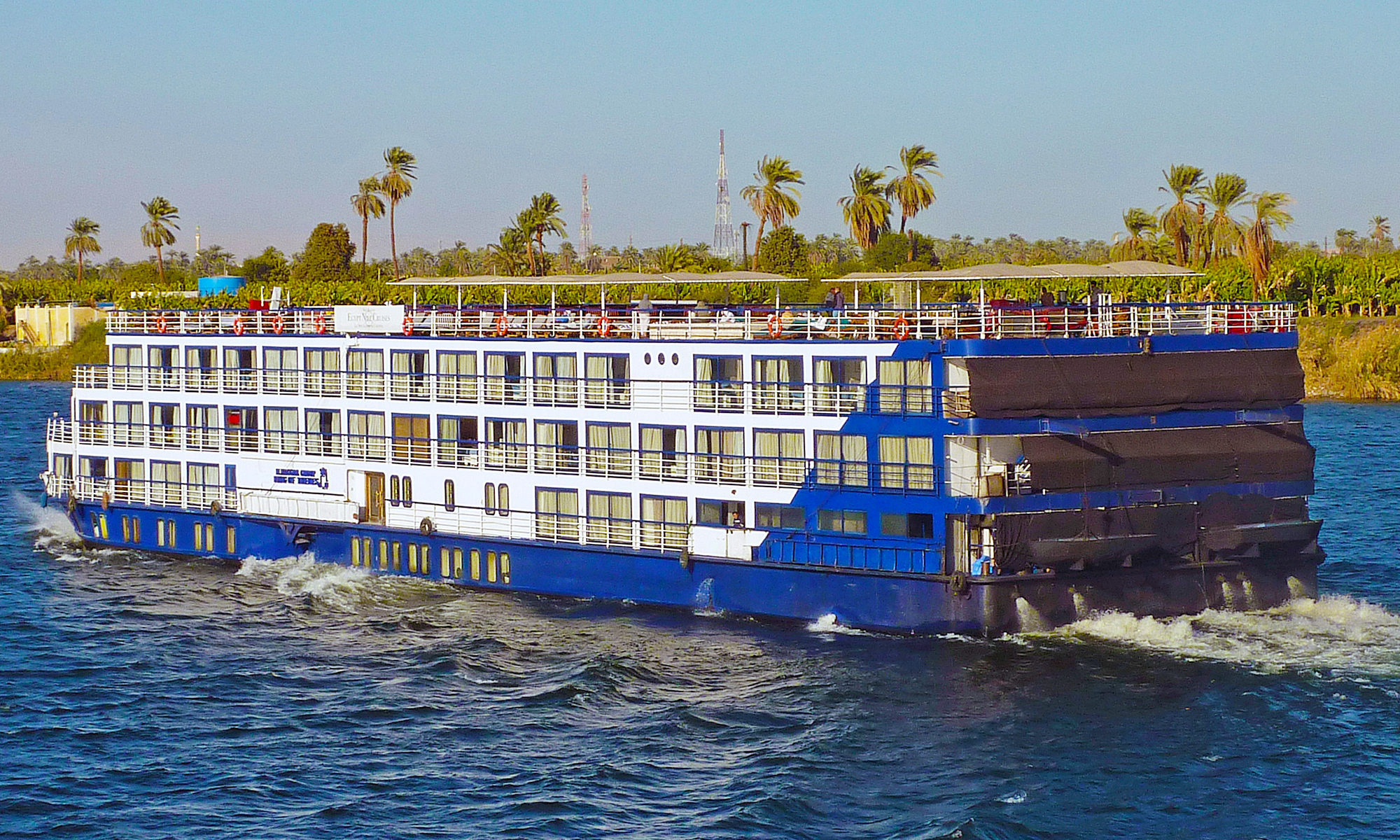
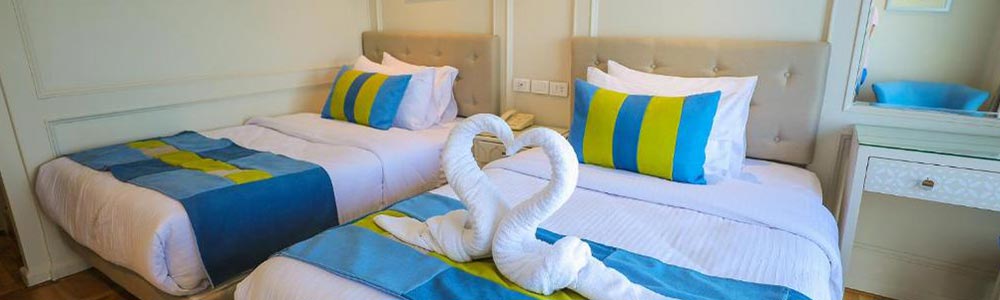
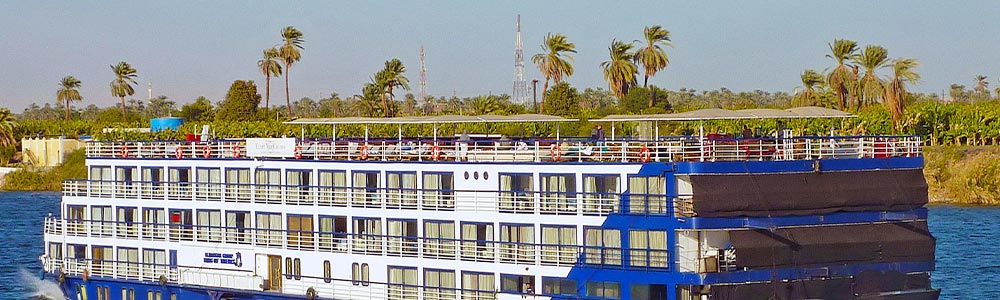
Check in a 5-star deluxe Nile cruise to have lunch on board, then you will be guided to visit:
Luxor Temple
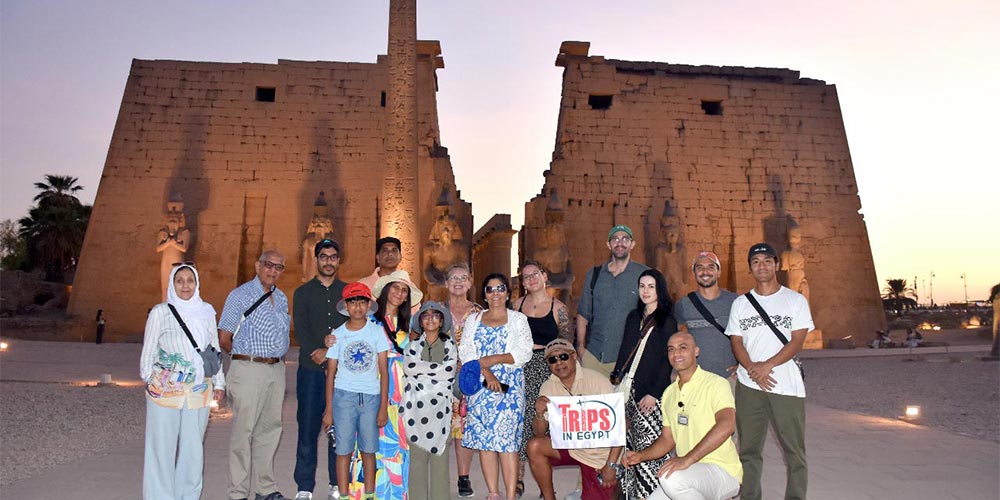
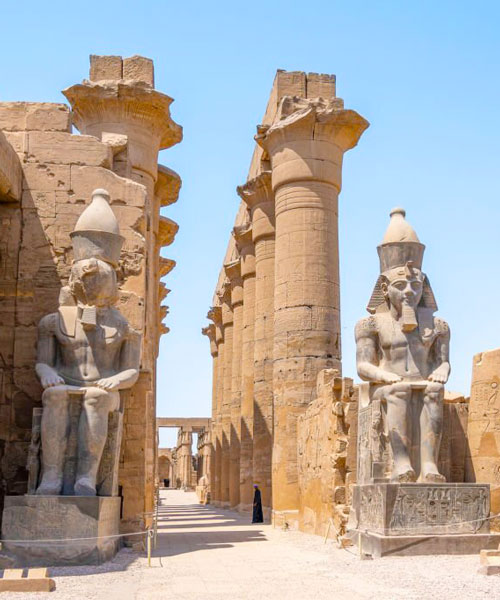
Luxor Temple emerges as a celestial blossom under the enchanting embrace of the moon, with its origins dating back to 1400 BC. It was conceived to host coronations and festivals, such as those honoring Ramses the Great and Amenhotep III, which became the setting for the revered Opet festival during the New Kingdom (1570 – 1050 BC), symbolizing the renewal of kingship. The Grand Avenue of Sphinxes is by far a powerful piece of art and architecture that sheds light on the greatness of the royals of Egypt.
Overnight
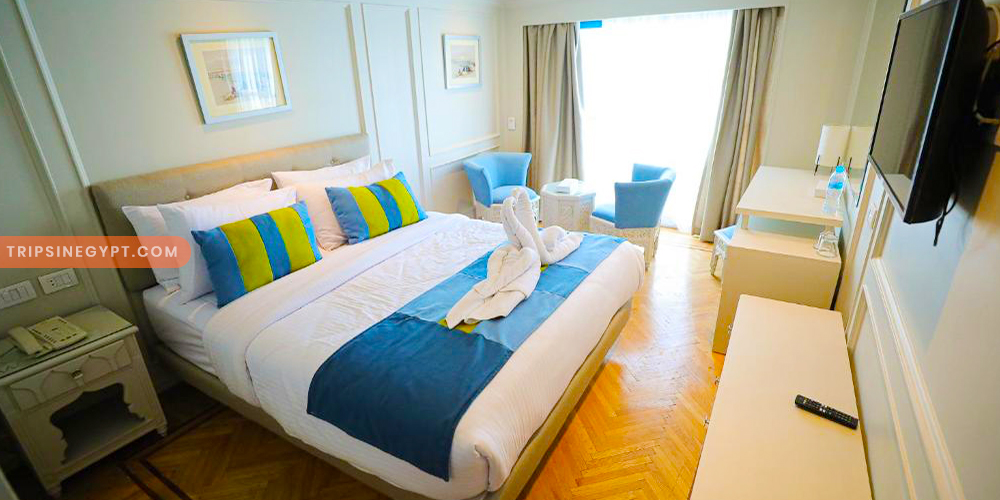
We will transfer you to your Nile cruise to spend the night.
Day Two: Witness the Immortal Treasures of Thebes
After breakfast onboard the Nile Cruise, you will join your professional tour guide to the marvels attractions in the West Bank of Luxor, which include:
Valley of the Kings
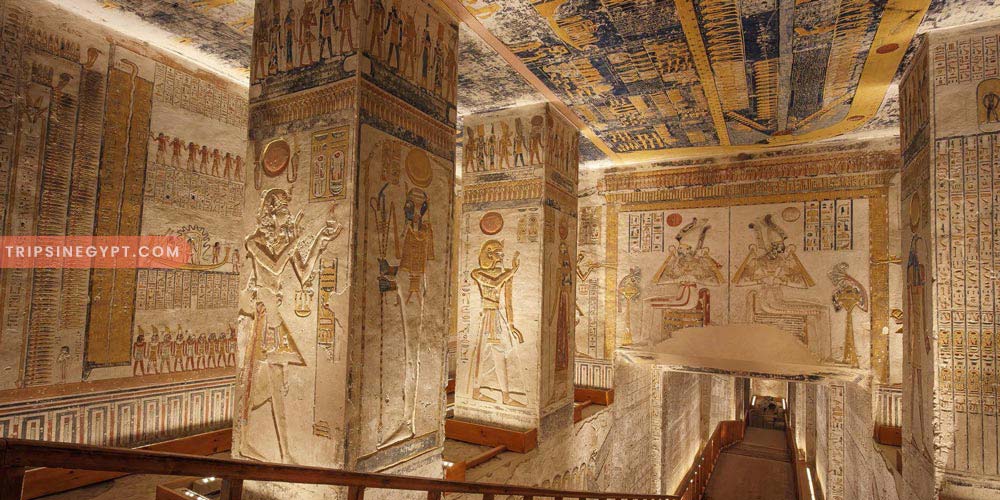
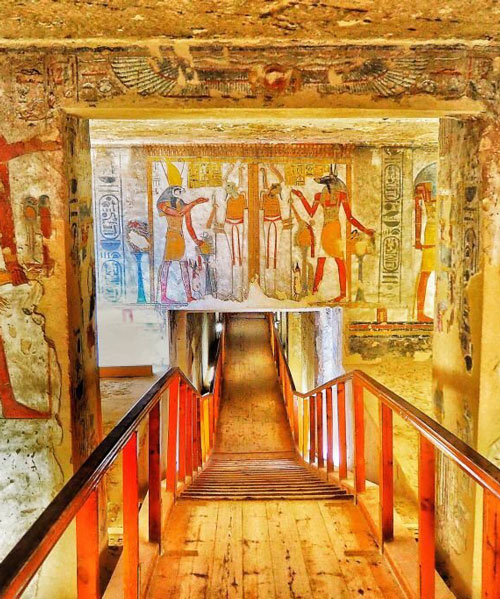
Valley of the Kings is a magnificent gem found within the mountain's heart that has been filled with treasure for over 500 years during the New Kingdom (1570 – 1050 BC), concealing within its depths the resting places of some of ancient Egypt's most innovative monarchs. It has 63 captivating tombs that belong to Tutankhamun, Seti I, and the illustrious rulers of the Ramses Dynasty.
Hatshepsut Temple
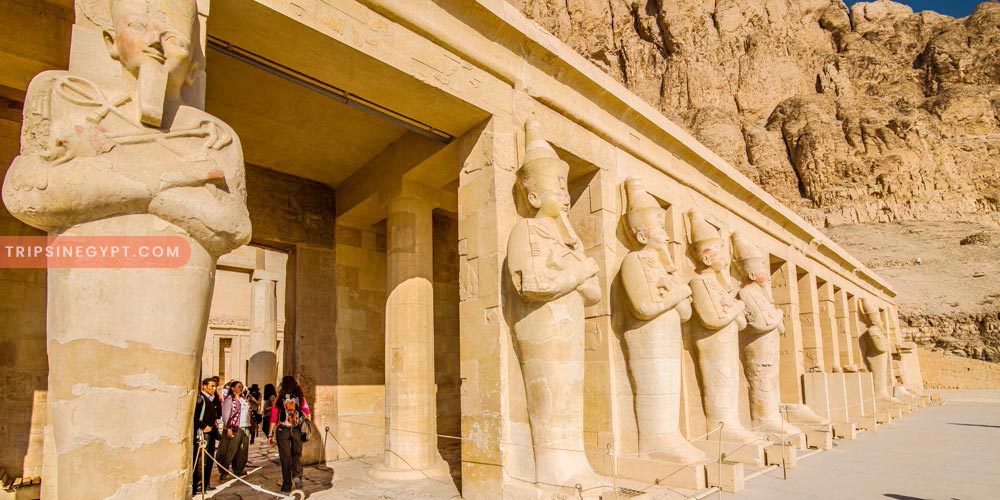
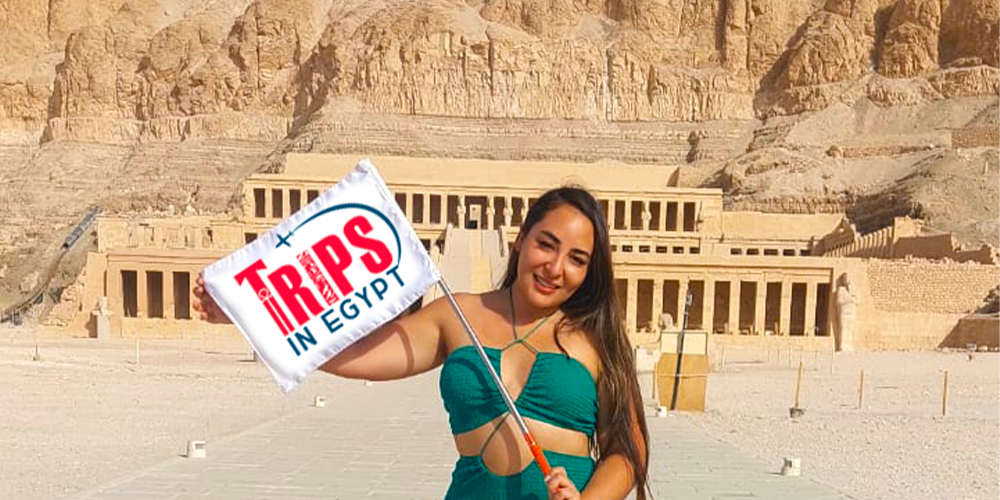
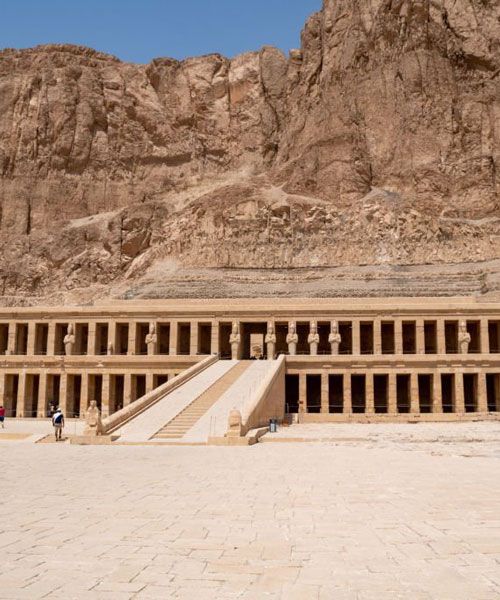
Hatshepsut Temple is a majestic symbol of beauty and sophistication in ancient Egyptian architecture, which stands as a symbol of timeless elegance. It was carved into the cliffs of Deir el-Bahari during the 15th century BC, which served as the focal point for Hatshepsut's mortuary cult, hosting the Valley Festival within the sanctuary of Amun. It is decorated with shrines dedicated to deities such as Hathor, Anubis, and Amun, thus creating an aura of spiritual significance and grandeur.
Lunch Meal
You will have your lunch on board the Nile Cruise, then begin to explore:
Colossi of Memnon
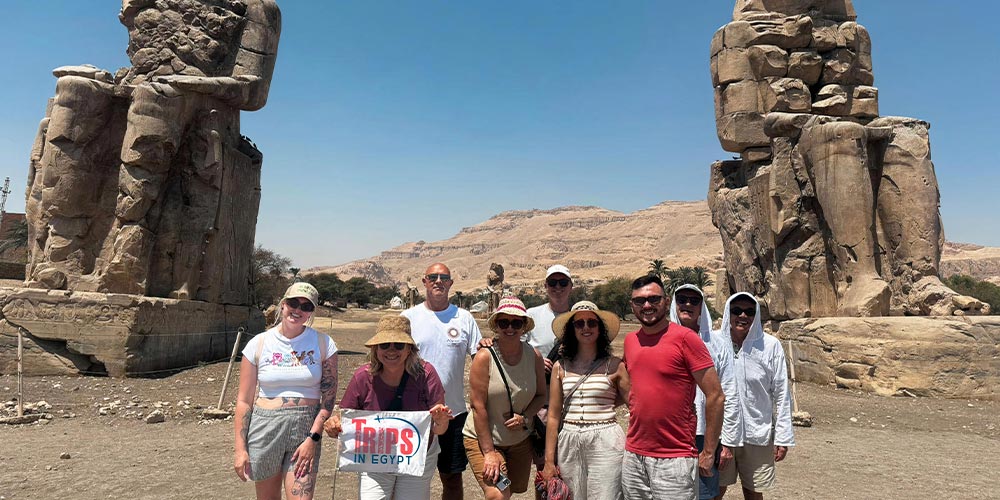
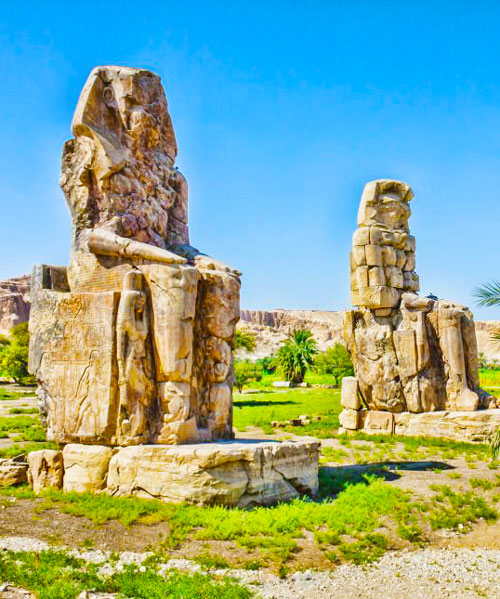
The immortal Colossi of Memnon are a tribute to Pharaoh Amenhotep III's legacy and accomplishments, which stand as monumental guardians of history. It was crafted from quartzite stones quarried at el-Gabal el-Ahmar in Cairo around 1350 BC these remarkable statues were transported an impressive 675 kilometers (420 miles) to Luxor, where they have stood in silent reverence for millennia.
Dinner Time & Overnight
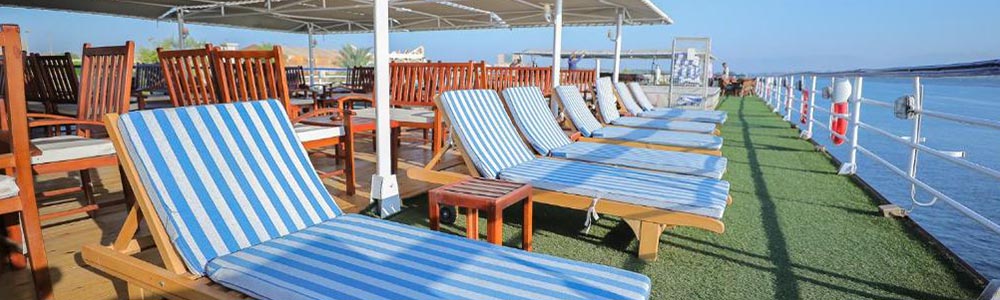
You will get back to your Nile Cruise to start sailing and have your dinner with afternoon tea on board and overnight.
Day Three: Explore the Unique Treasures of the Nile River
You will have your breakfast on board the Nile Cruise, then you will join your tour guide in a horse-drawn carriage to visit:
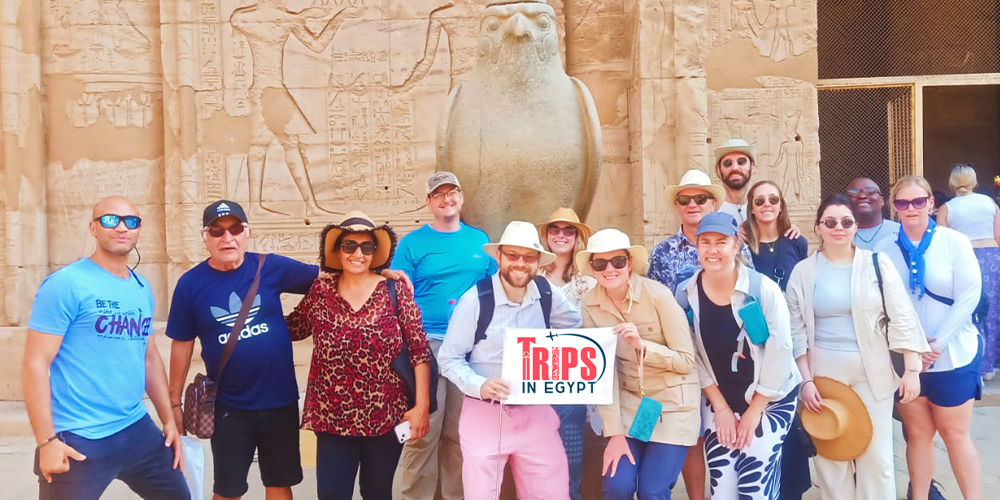
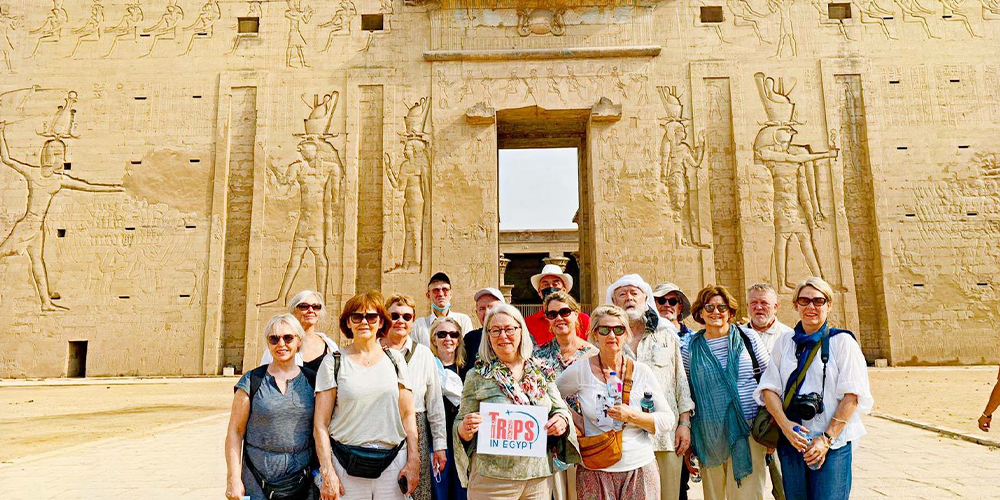
Edfu Temple
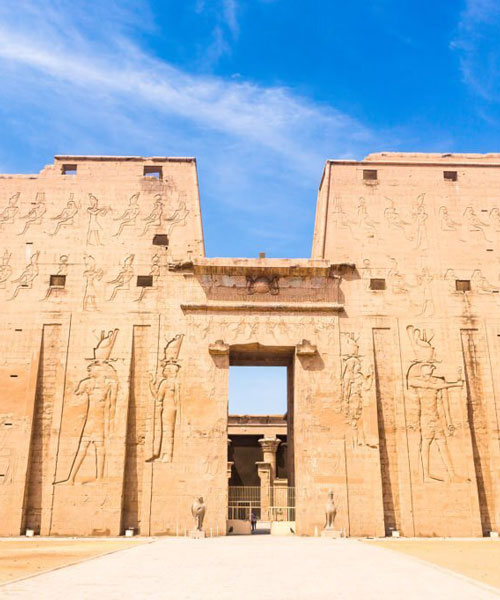
Edfu Temple is a marvel of preservation and reverence, which is devoted to the sky falcon god Horus, symbolizing protection and triumph. It stands as a beacon of ancient spirituality. It was constructed during the Ptolemaic period between 237 BC and 57 BC, which illuminates the religious practices and beliefs of the Ptolemaic period, thus offering invaluable insights into Egypt's rich cultural heritage.
Lunch Meal
Back to your deluxe Nile cruise to have lunch and start sailing towards
Kom Ombo Temple
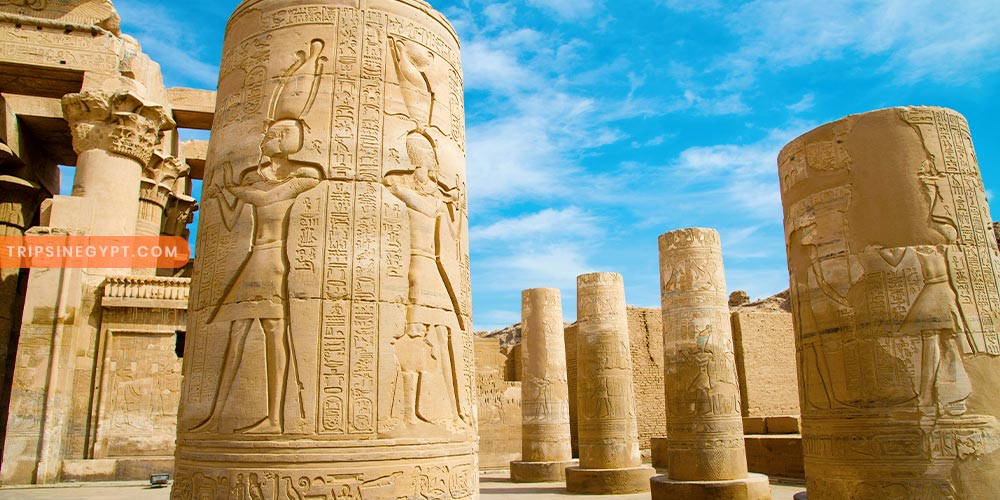
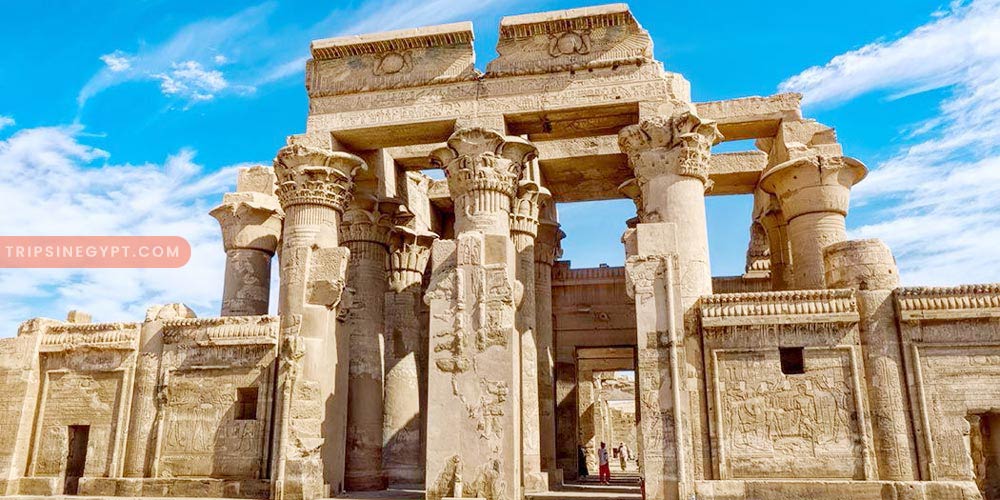
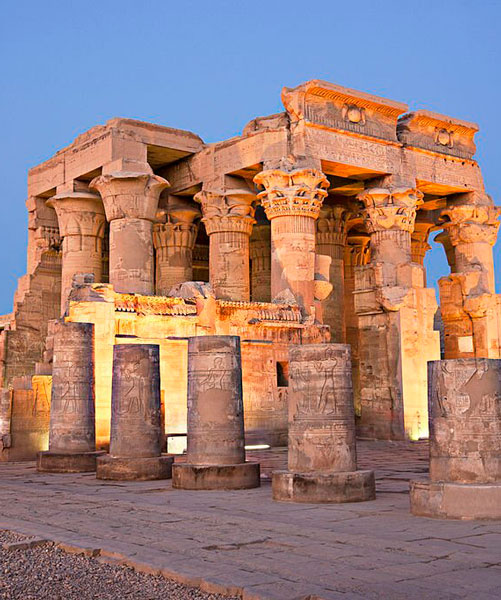
Kom Ombo Temple is an impressive architectural feat dedicated to both the crocodile god Sobek, the source of the Nile, and the elder Horus. They reflect absolute divine symmetry; these double temples were among the last vestiges of ancient Egyptian architecture, crafted during the Ptolemaic era spanning from 180 BC to 47 BC.
Overnight
Back to your cruise and start sailing towards Aswan, and you will arrive late at night and overnight on board the Nile Cruise.
Day Four: Quest Into the Heart of Greatness
You will receive breakfast boxes in the early morning, then you'll join our tour guide in a modern A/C car to visit:
Abu Simbel Temples
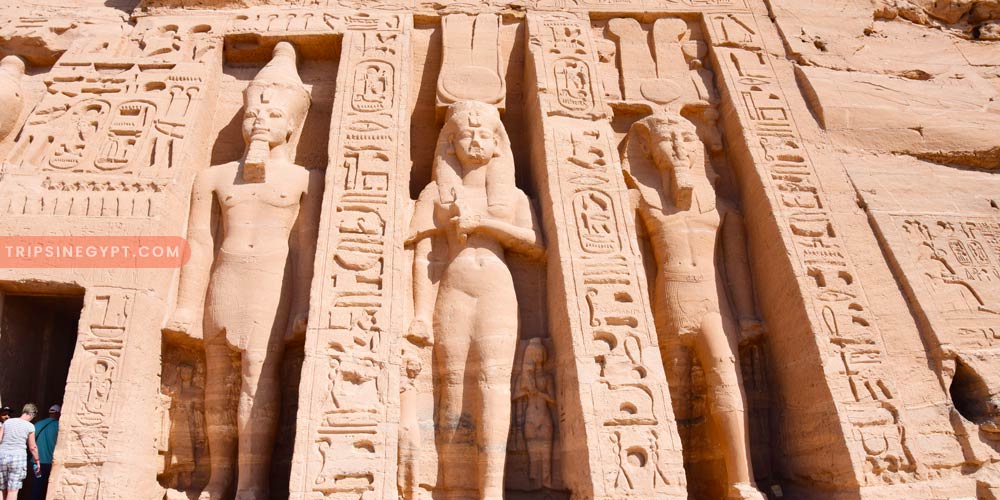
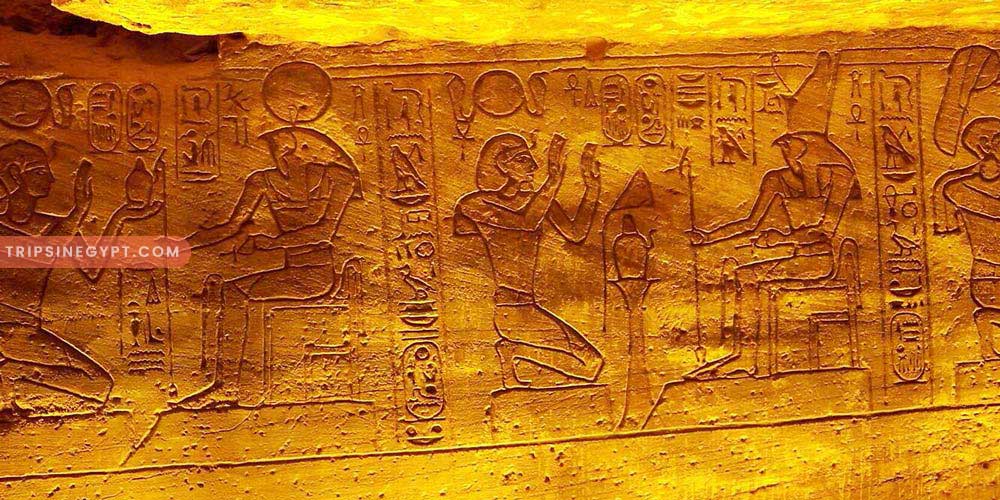
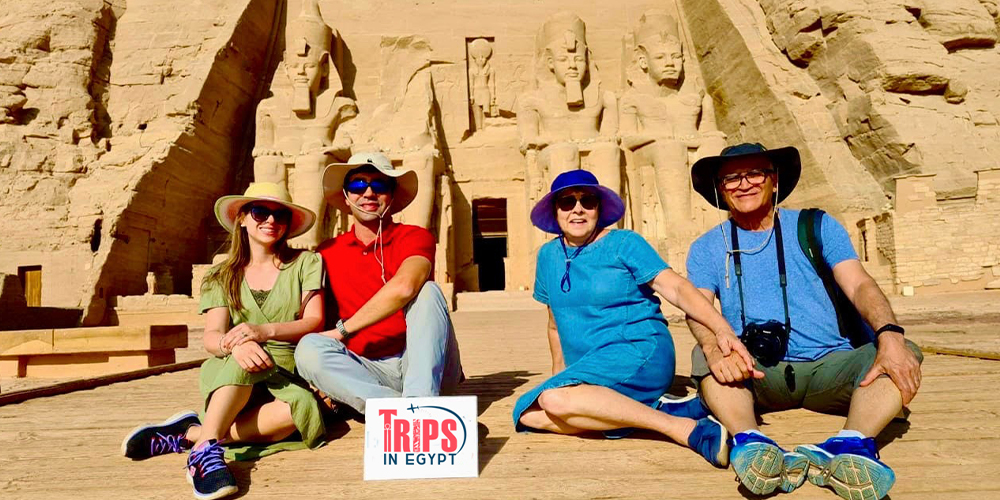
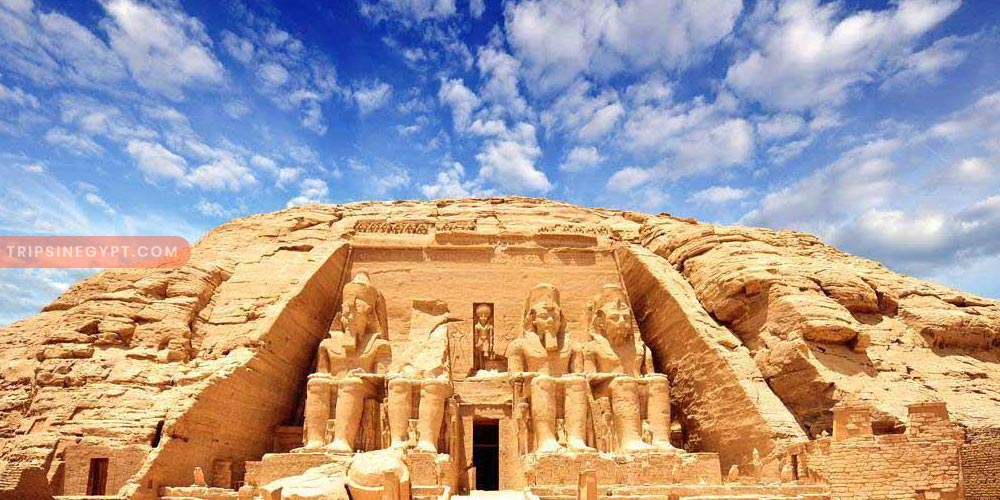
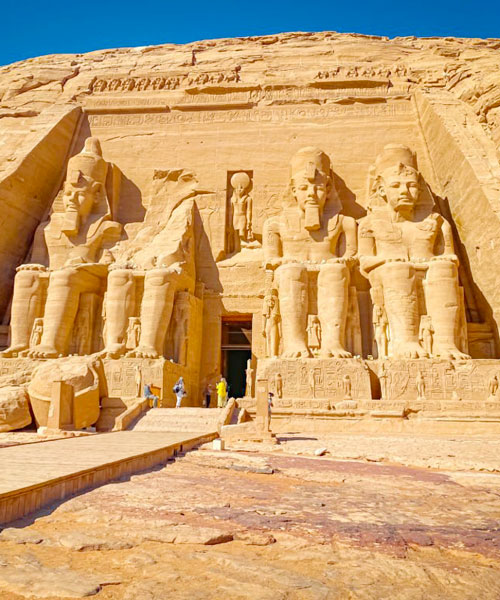
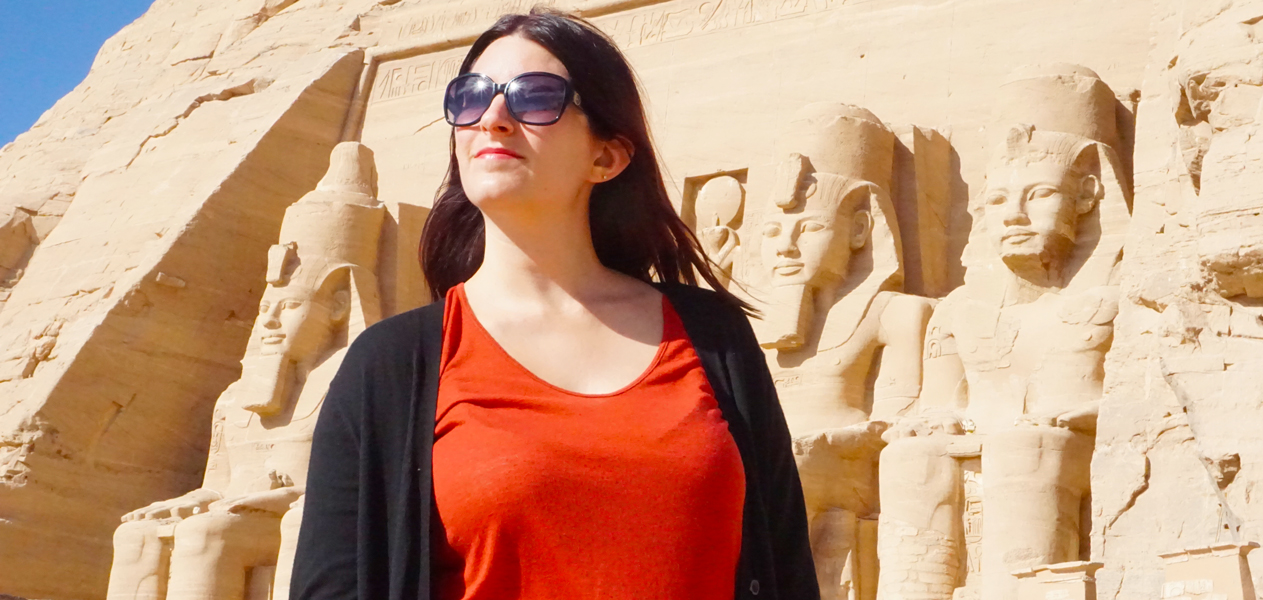
The celestial Abu Simbel Temples of Ramses the Great or Ozymandias (1303-1213 BC), stand as two magnificent monuments of sheer grandeur and enchantment that date all the way to 1264 BC, these temples were commissioned to immortalize the remarkable achievements of Ramses II which include his triumph in the battle of Kadesh, which led to the signing of the first documented peace treaty in history. This colossal marvel is dedicated to Amun, Ra-Horakhty, and Ptah as seen during the funerary festival. They also serve as a testament to the enduring love and respect Ramses held for his beloved wife, Nefertari.
Dinner Time
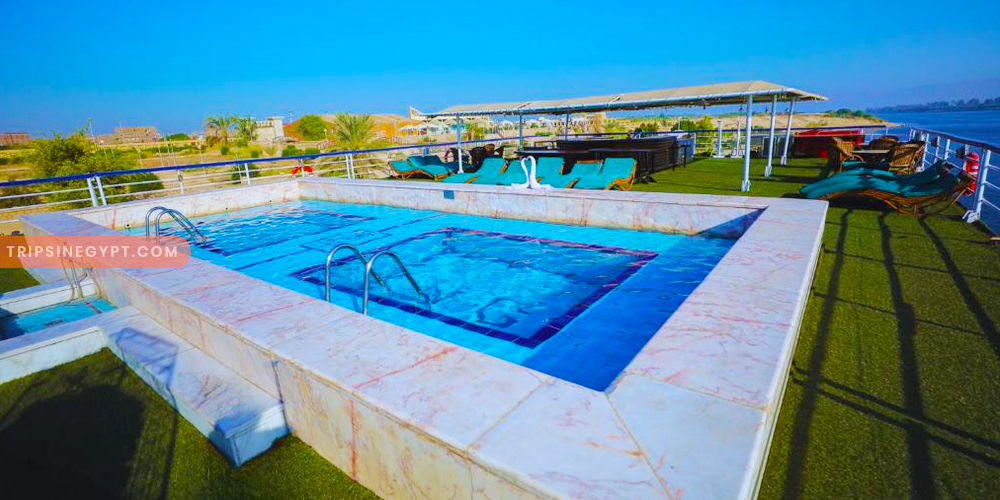
You will be transferred to the Nile Cruise to start sailing. Enjoy your afternoon tea onboard, and dinner, then spend the rest of your day on board your 5-star Nile Cruise.
Day Five: Cast Your Eyes on the Epic Treasures of Aswan
You will check out of the cruise, then visit:
Aswan High Dam
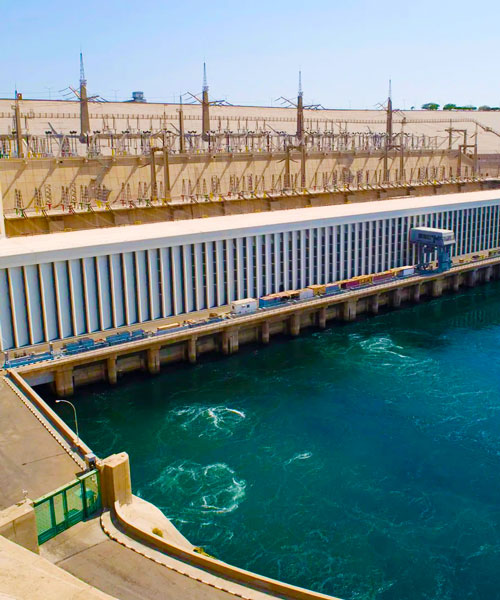
Aswan High Dam is a modern wonder of innovation that was completed in the mid-1960s, in order to control annual flooding, store water in the artificial Lake Nasser, and generate hydroelectric power for the rising industrial age.
Unfinished Obelisk
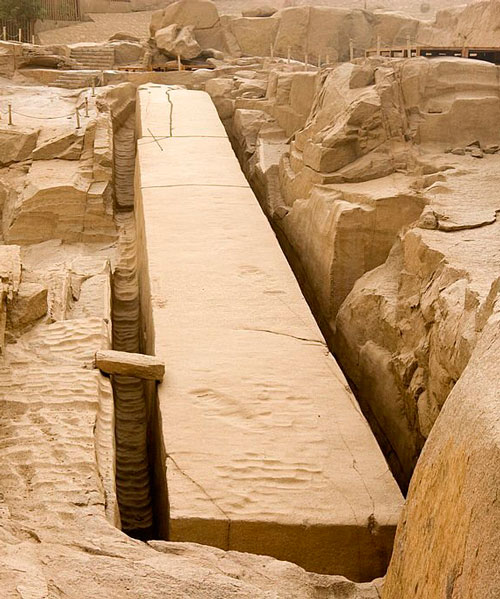
The Unfinished Obelisk is a colossal marvel that was meant to stand at the ages of the Karnak Temple complex, which has the key to shedding light on the brilliance behind ancient Egyptian stone craftsmanship. Queen Hatshepsut's reign (1508-1458 BC) was the one who ordered its creation, which was meant to soar to a height of 42 meters and weigh 1200 tons, but it was cracked during its carving process.
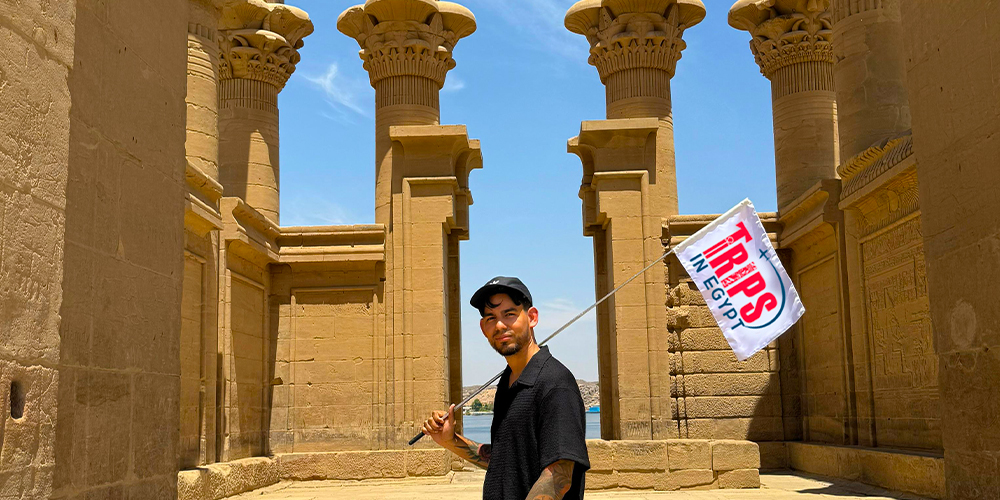
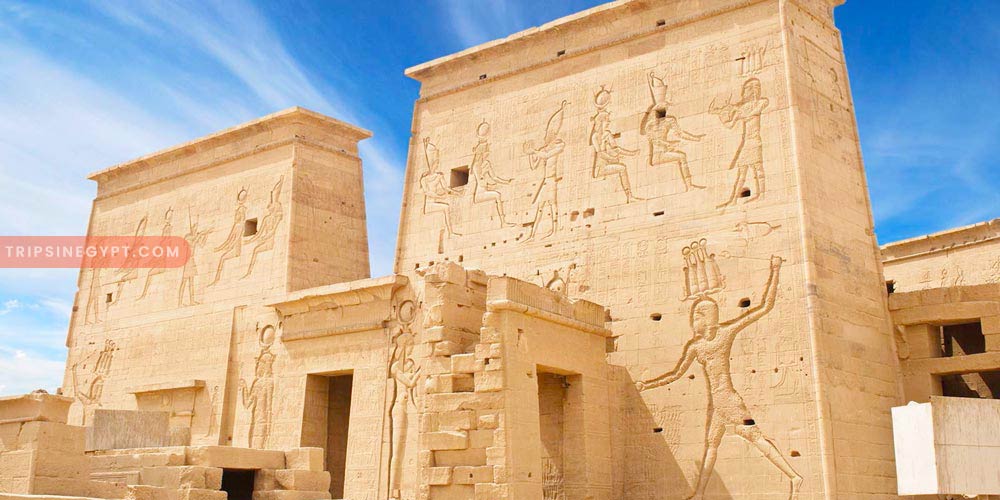
Philae Temple
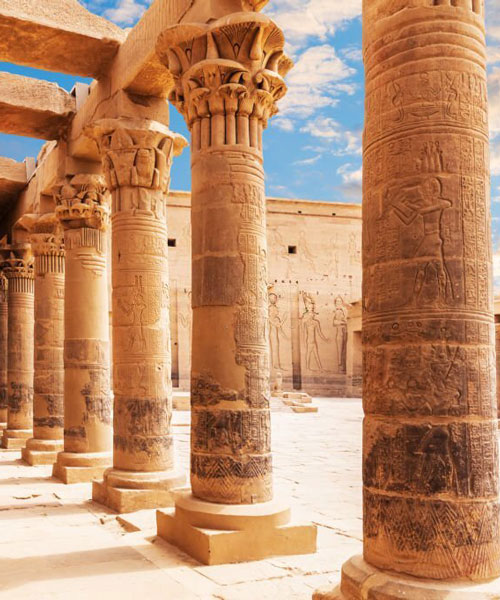
Philae Temple is a marvelous treasure that is entirely dedicated to the goddess Isis of motherhood and healing, which was built in 380-362 BC by King Ptolemy II during the Ptolemaic period and is now found on the island of Agilkia. It serves as a significant site for understanding the religious history and myths of ancient Egypt as seen across all the artworks found on the walls.
Lunch Meal
You will have lunch at a restaurant, then you will be transferred to your hotel in Aswan.